Lessons in Transitions: Student-Centered Learning in Math
Elmira City Public Schools set out to rethink math instruction by building a system that could better meet the needs of every student. And leadership in charge really meant every student—even the chronically absent, those falling behind, and those already meeting grade-level expectations and ready to dive deeper.
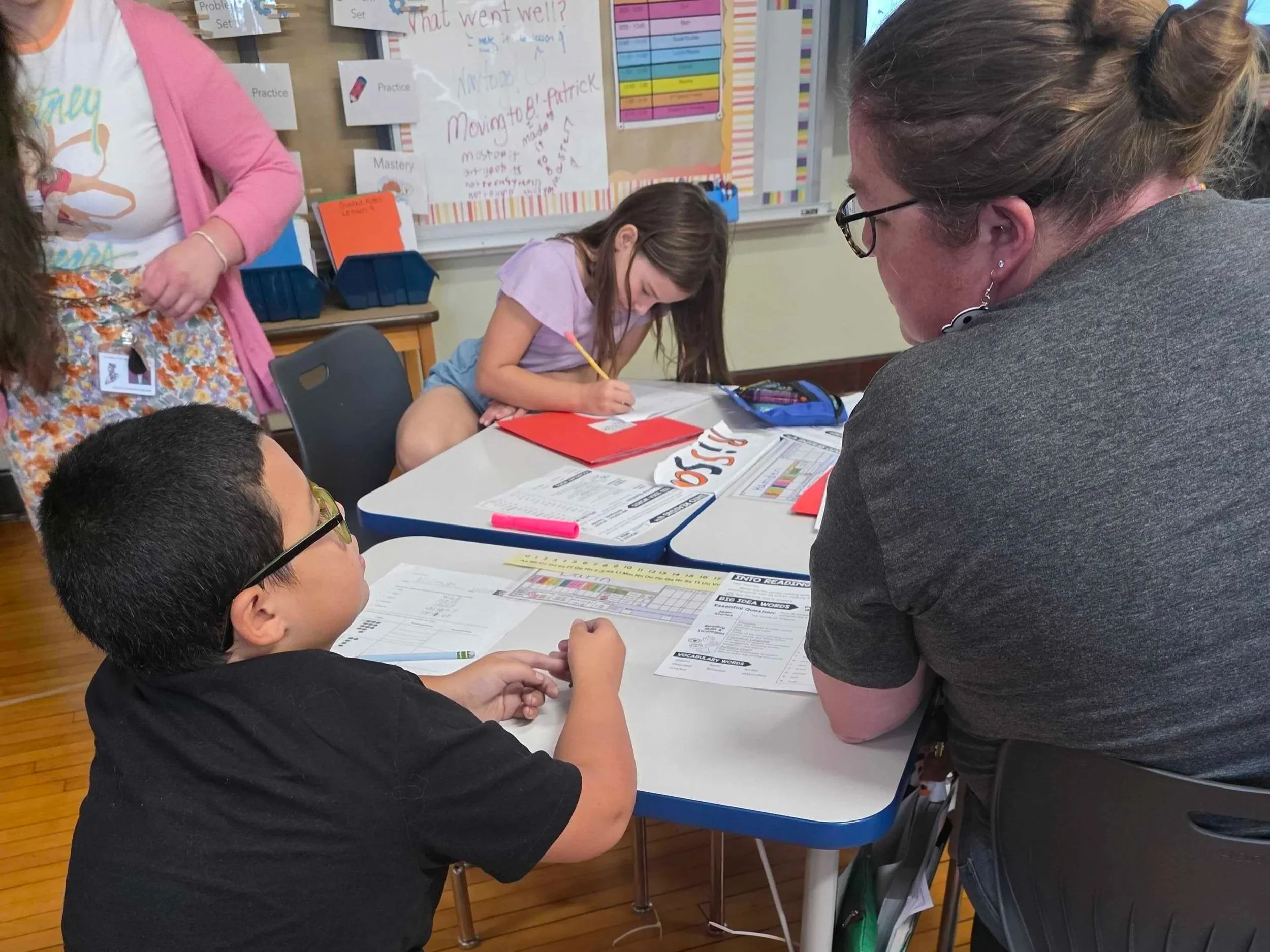
For many of these students, learning often remains inaccessible in traditional classrooms. But in Elmira, district leadership had a vision for strengthening math instruction for all by pairing technology with flexible pacing and orienting classrooms toward mastery to allow educators to feasibly differentiate math instruction.
At its core, Elmira’s work is about instructional alignment. The district’s math teachers have been implementing a high-quality curriculum that emphasizes student thinking and discourse, but realized early on that curriculum alone wouldn’t close the achievement gap. Educators were missing some crucial elements—instructional materials and systems that support all learners, administrators who were well-versed in supporting student-centered classrooms, and the mechanisms to implement and pressure-test the efficacy of their approach.
Through its partnership with Modern Classrooms Project, Elmira is supporting teachers in adapting their math curriculum into blended, self-paced, mastery-based classrooms that preserve rigor while expanding access to all students.
These classrooms are intended to:
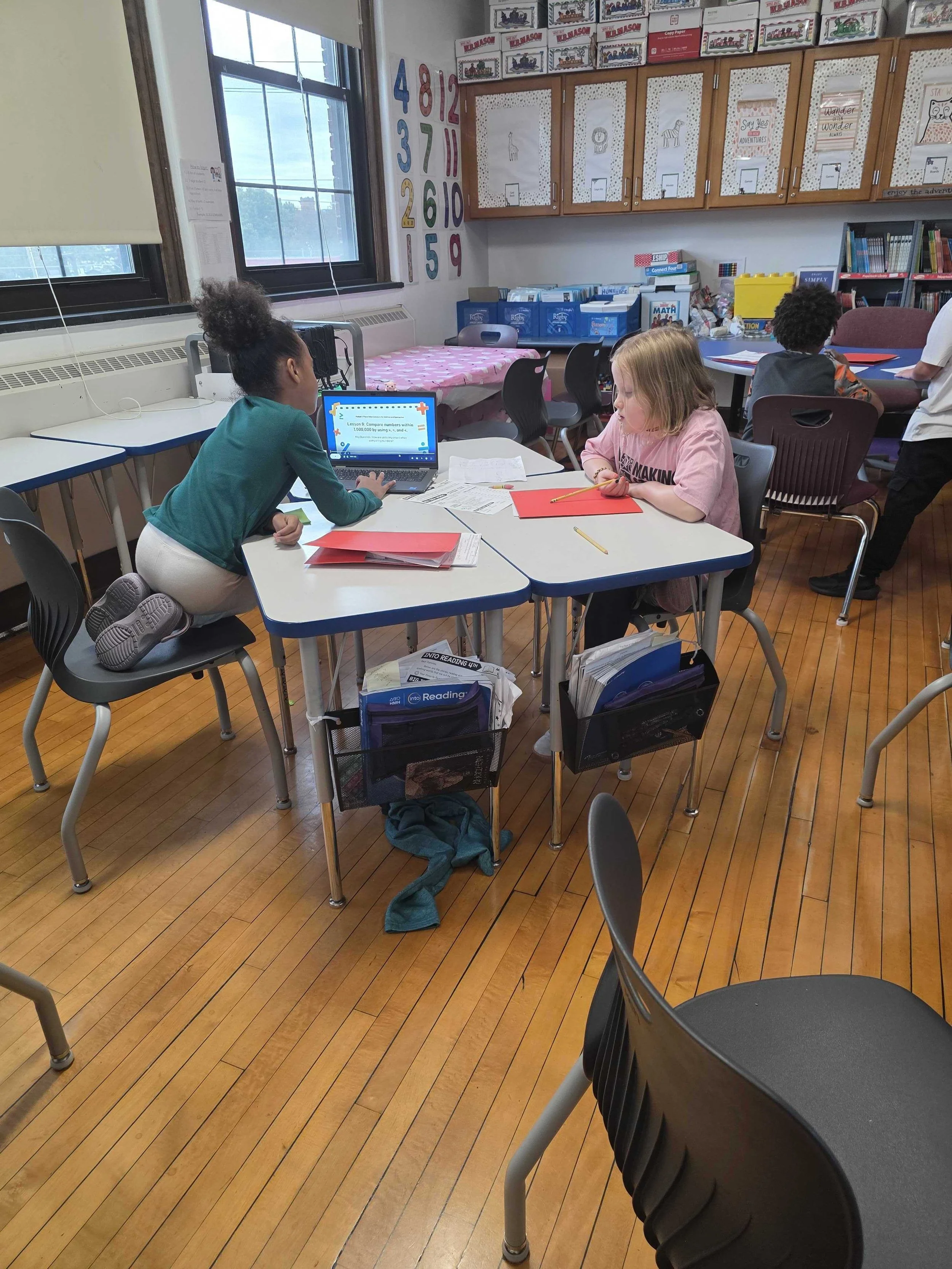
Provide increased access to Tier 1 instruction for all students, along with additional 1:1 and small-group instruction from their classroom teacher
Orient classrooms toward mastery, using data to determine student readiness
Allow students to master content on their own timelines without reducing rigor or student expectations.
But instead of adopting innovation at scale across the subject matter teams, adoption was patchy and unenthusiastic at first. Leaders began to worry that this new approach to student learning might suffer from a failure to launch, like so many other district-led initiatives—until they heard rumblings of a classroom that had figured out student-centered learning.
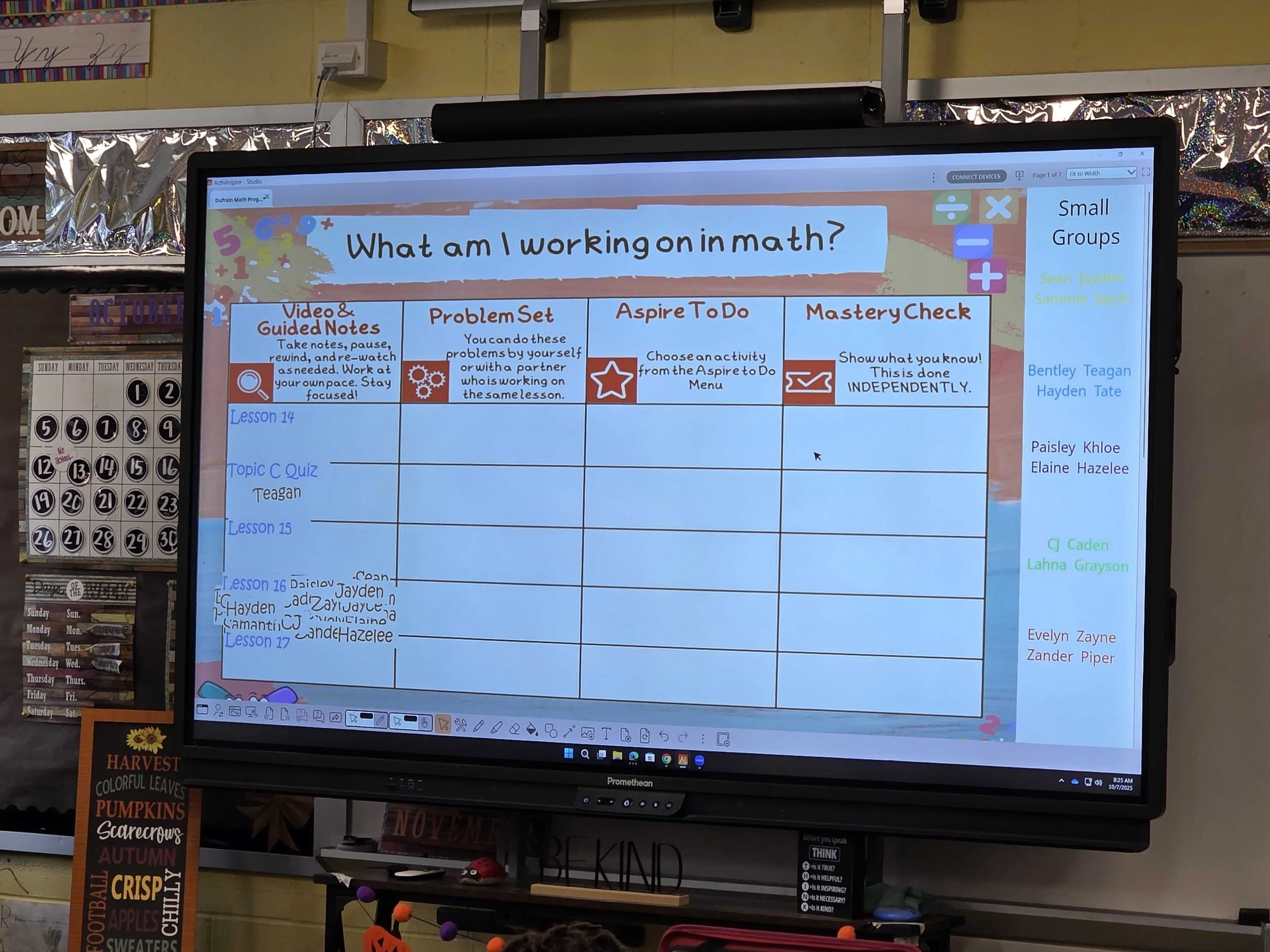
This is what district leaders saw in action when they walked into Heather Dufrain’s Modern Math Classroom: they saw an educator supporting students at various levels of learning, and effectively differentiating instruction to correct misconceptions early in the learning process and using data to better understand student mastery. Instead of juggling these various learning paths, Heather was able to calmly deliver what students needed at various points in their learning journey. It was true differentiation, done in a way that didn't require even more of Heather's time and attention. This kind of responsive instruction at scale is what MCP's model is designed to make feasible for classroom teachers.
After seeing the model in action, Jay Hillman, Director of Educational Services, alongside Jessie Talada, Literacy & Grant Coordinator said, “The Modern Classrooms system has energized our math programming. Students are more engaged than ever. This program encourages them to stretch themselves to learn at a much higher level. The approach focuses on doing math instead of talking about math.”
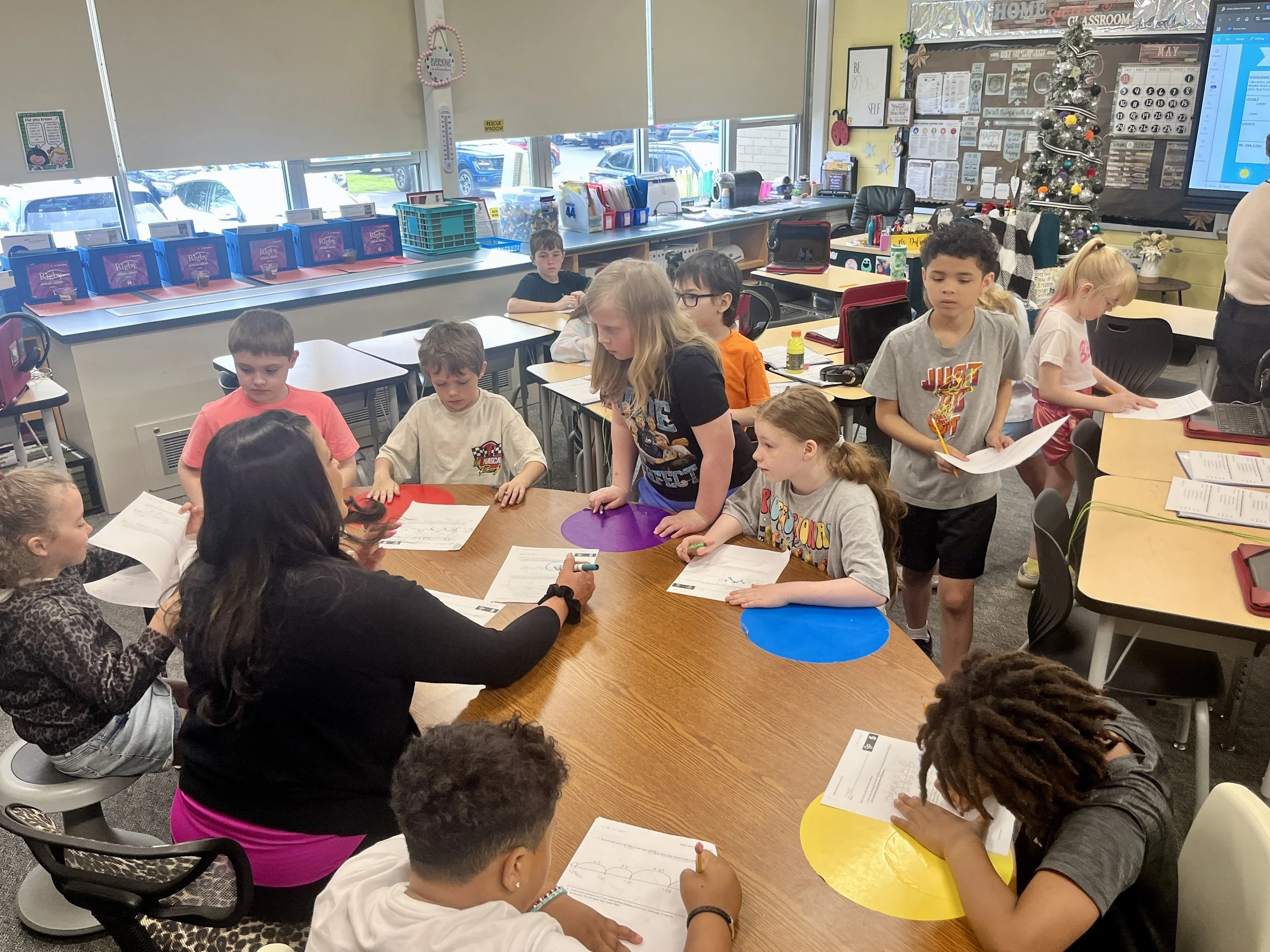
While district leadership saw Heather’s classroom and knew this was their vision for instruction come to life, they were left with the conundrum of scale. While they wanted to see this style of instruction implemented across the subject matter team, classroom educators themselves struggled to see the vision. It wasn't until several teachers visited Heather's classroom to see the model implemented live that more educators reported feeling prepared to get started — a dynamic also observed in DeKalb County, where site visits proved to be one of the most powerful tools for shifting educator mindset. Seeing students move through self-paced work, engage in math discourse, and take ownership of their learning made the shift tangible and has changed attitudes on the ground to be more supportive of the district’s initiative.
Ultimately, rolling out innovation in Elmira required developing a strong vision for success as a leadership team and also employing early adopters to pave the way and act as a local resource. Rather than treating professional development as an after-school add-on that provides blanket support to all educators, Elmira tailored their professional learning by subject area, provided holistic support throughout multiple phases of implementation, and mobilized successful educators as ambassadors for the change. Teachers participated in summer training sessions, followed by scheduled site visits and recurring coaching touchpoints. Educators checked in with their mentor and had access to ongoing support whenever they encountered barriers or technical issues. Monthly PLCs paired brief professional learning segments with time for planning and problem-solving. This structure allowed teachers the opportunity to share wins, troubleshoot challenges, and see how the model was supporting learning in their peers’ classrooms.
These additional supportive systems create crucial alignment. When classroom practice connects directly to district vision, innovation stops feeling experimental and starts feeling strategic.
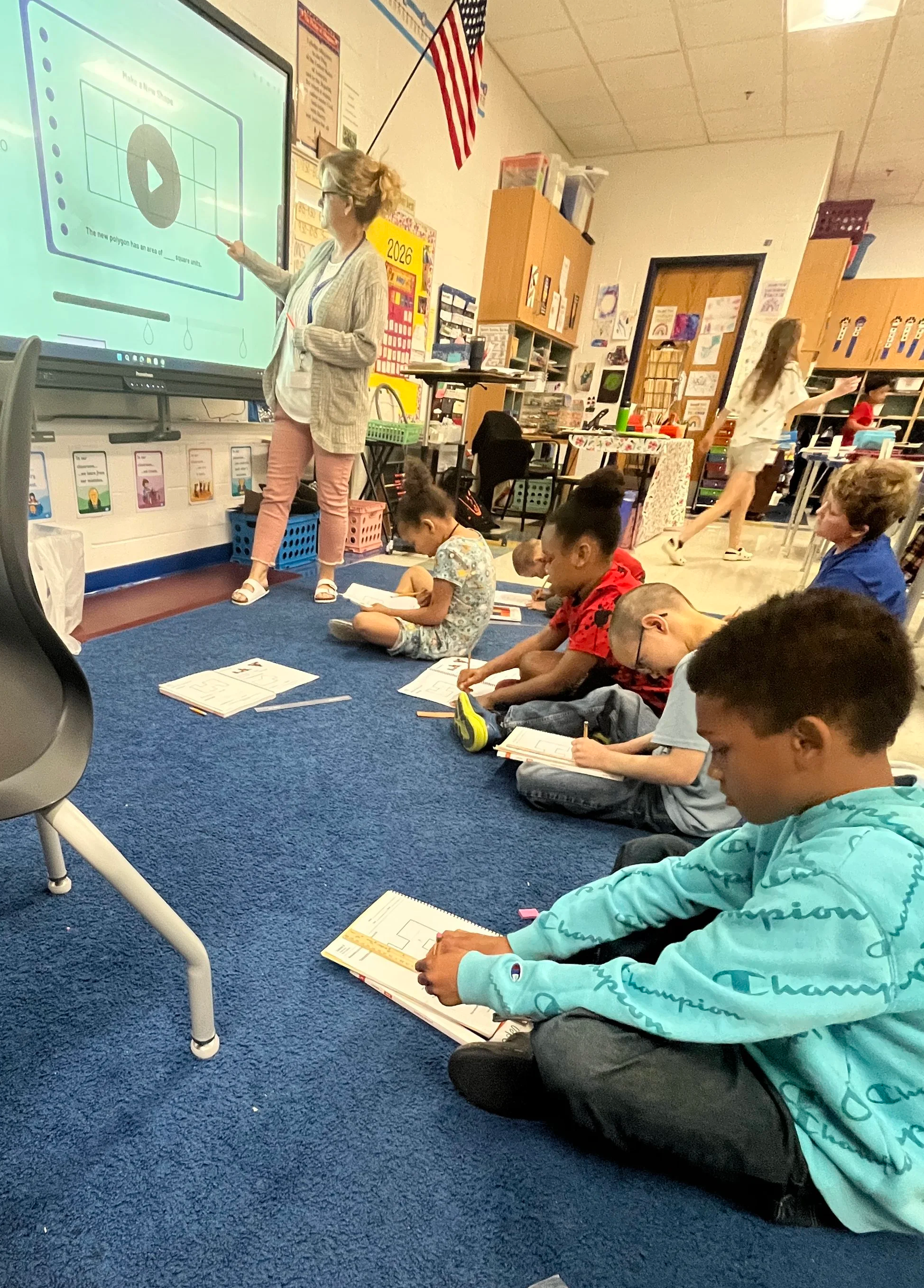
Elmira’s district leadership has remained actively engaged throughout the partnership — planning site visits, coordinating communication, and expanding recruitment for new cohorts of teachers. At the same time, leaders have recognized that sustainable implementation requires building-level support and principal involvement. This awareness reflects a broader truth: instructional transformation succeeds when it is supported at every level of the system.
Elmira’s work is ongoing. New training sessions are being planned, additional teachers have expressed interest in joining the cohort, and site visits continue to refine educator practice. The district is not treating innovation as a short-term initiative but as an evolving system.
In many ways, Elmira’s story is not just about math instruction. It is about how districts create the conditions for meaningful change: sustained professional learning, visible models of success, leadership alignment, and structures that make innovation possible.
By focusing on infrastructure rather than isolated classrooms, Elmira is building something far more durable, in partnership with Modern Classrooms Project: a system where high-quality curriculum, empowered teachers, and student-centered practices work together to ensure that every learner has access to rigorous, engaging math instruction. Elmira's story echoes what districts like Spencer County Schools have found: when mastery-based math is paired with the right professional learning structures, the results extend well beyond a single classroom.