How Spencer County Schools Embraces Change Through Mastery-Based Math
Located in the state of Kentucky, Spencer County Schools is a people-first organization centering on the care and support provided to students, staff, and families. Here’s what Spencer County is doing that can inspire math teachers everywhere.
Shifting from traditional teaching approaches to a blended, self-paced, mastery-based learning model is no small feat. Yet, Spencer County Schools’ leadership is proving that when you center care and support for teachers, incredible transformations are possible—not just in the classroom, but across entire teams and communities. What I saw during a recent professional development spoke volumes about how intentional leadership and collaboration can pave the way for success in modern teaching models.
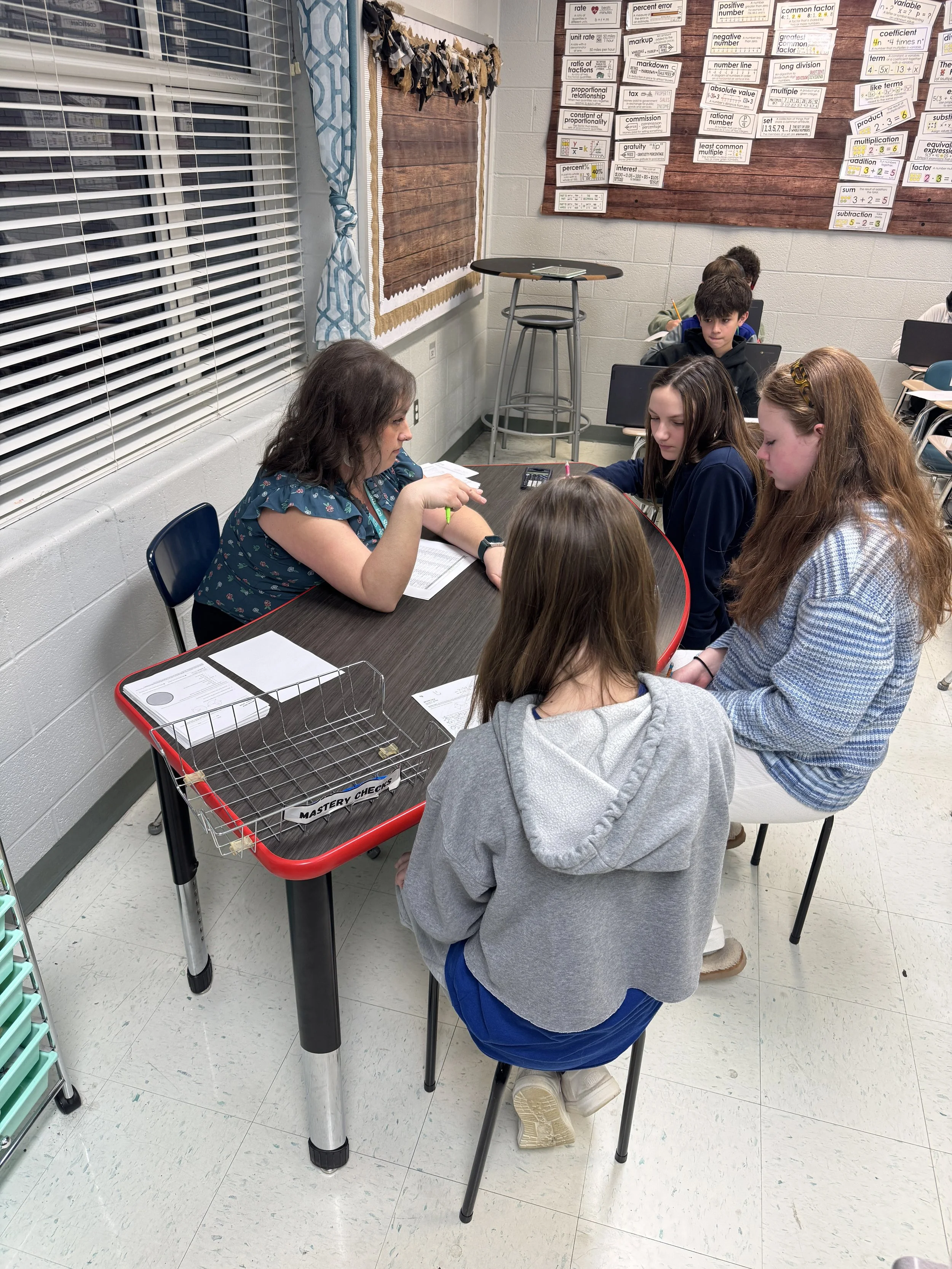
1. Shifting Classroom Practice is a Group Project
We’ve all been there: the moment you’re asked to rethink everything you’re used to in your teaching practice. It’s an exciting opportunity, but also a little terrifying. Spencer County Schools recognizes this and has structured their professional learning experiences to support teachers through these challenges as a team.
During a summer PD session, grade-level math teams came together to digest, discuss, and plan for the shift to a blended, self-paced, mastery-based model. Instead of feeling isolated in their concerns, teachers leaned into tough conversations within their teams. They worked collaboratively to problem-solve and align lessons across classrooms.
What was especially powerful was the realization among educators that this model doesn’t just benefit students—it makes the job of teaching more manageable, especially for new educators or those working to align lessons across teams. I listened as teachers moved from "Will this even work?" to "Let’s try this. It actually makes sense." This collective mindset shift couldn’t have happened without the intentional space to process and plan together.
2. The Power of Instructional Coaches
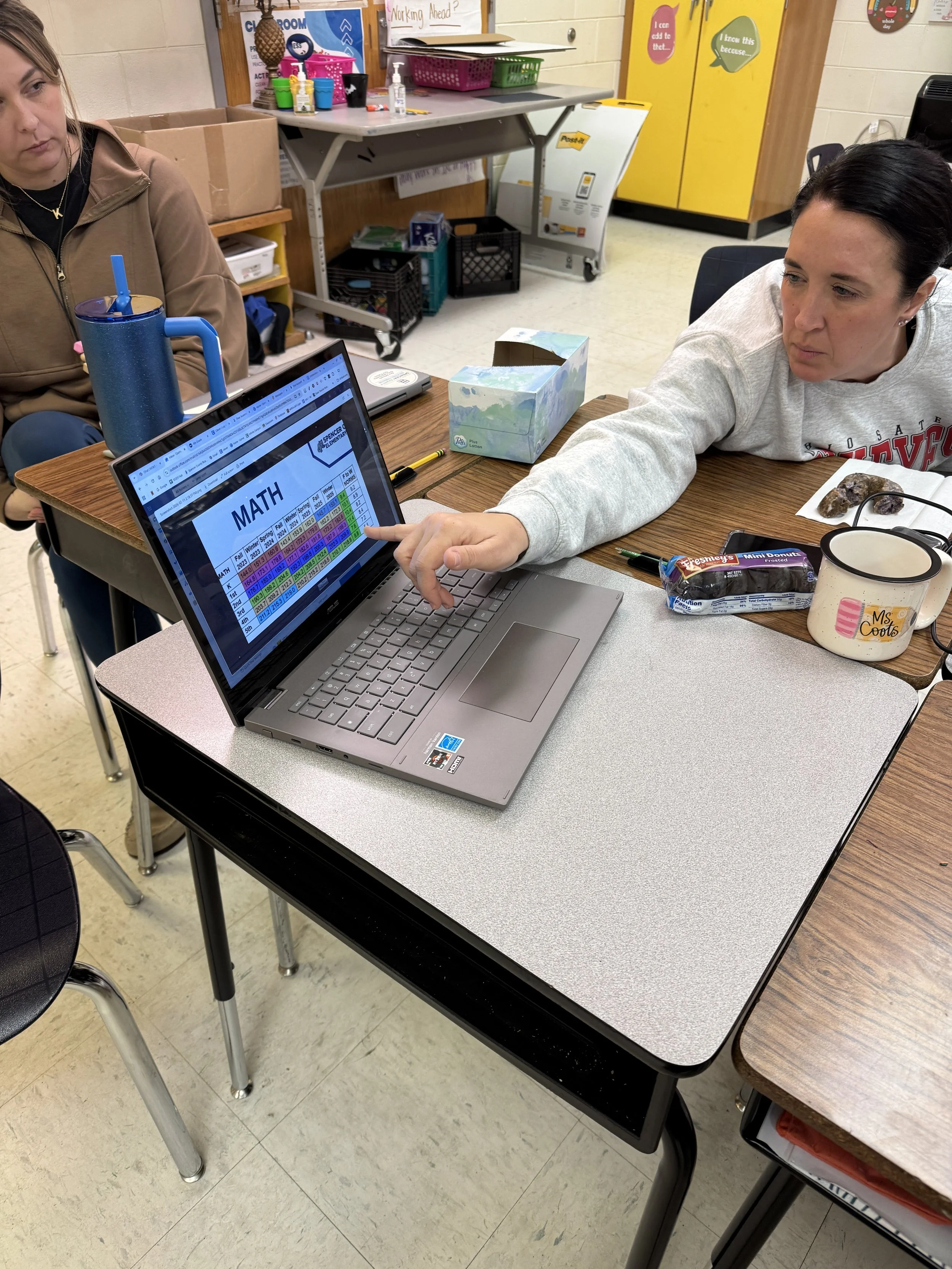
Another part of what makes Spencer County’s approach so effective? They walk alongside their teachers at every step. Instructional coaches were present and fully engaged in the PD—not as passive observers, but as active participants of the learning process.
Take Ashley McGaughey, for example, a secondary instructional coach who brought energy and confidence to the training. With a background in teaching middle school History, Ashley was already well-versed in the Modern Classrooms model. She showed up, ready to collaborate with math teachers and to model how cross-disciplinary teacher leaders can guide transformative change. Having former teachers serve as instructional coaches—those who understand the realities of the classroom—means educators feel seen and supported. Coaches like Ashley know exactly what to look for and how to provide support during implementation, offering the safety net and troubleshooting teachers need.
3. Leadership That Listens (and shows up!)
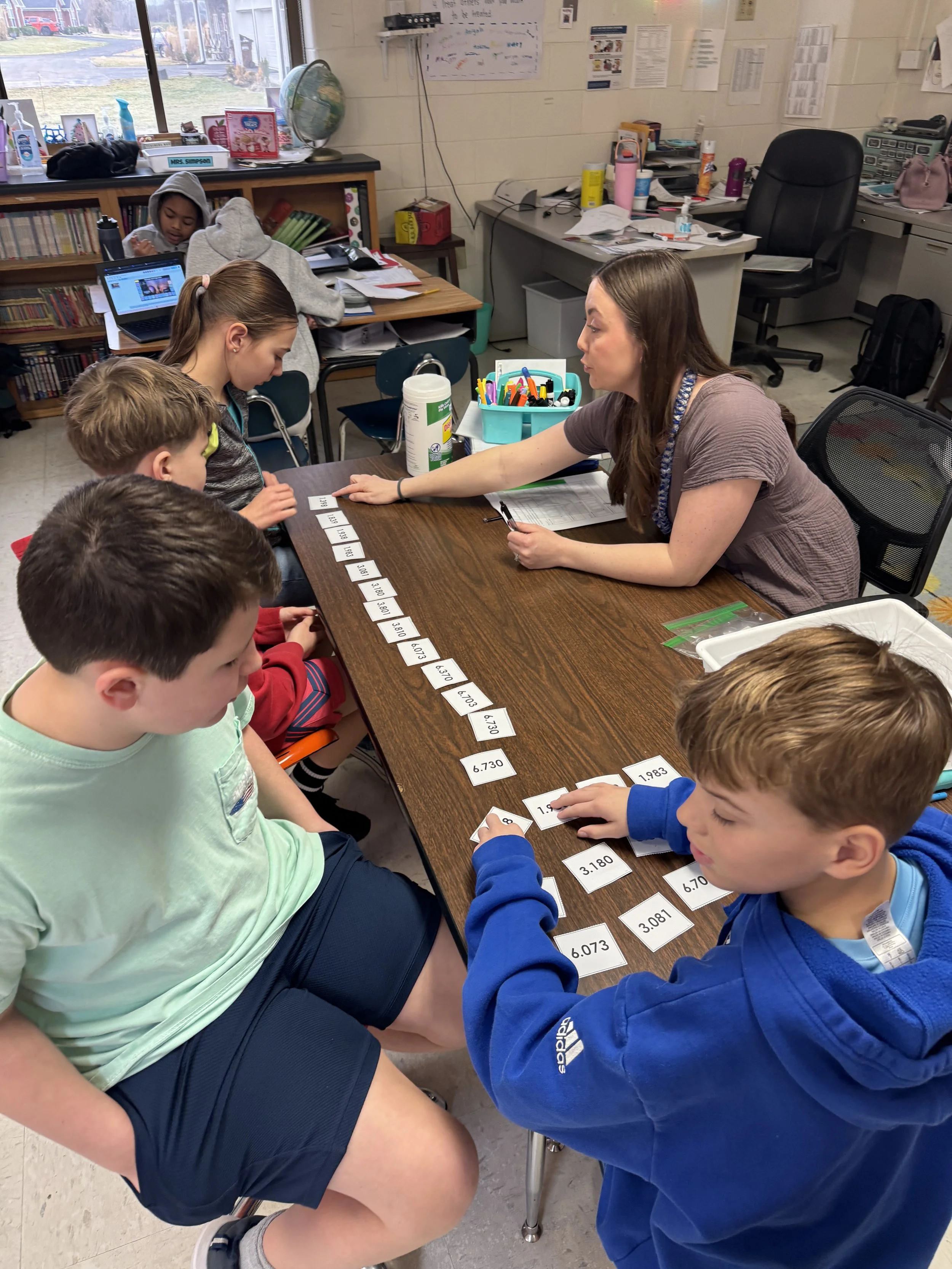
Nothing is more powerful than leadership that not only talks about supporting teachers but also shows up to participate. During the training, Spencer County Schools’ Chief Academic Officer, Amanda Butler, was a reassuring presence throughout both days.
Amanda sat with teams, listened closely to teachers’ concerns, validated their worries, and asked probing questions to help them think through solutions. Her collaborative conversations with teachers weren’t about enforcing directives; they were about building trust and creating a shared vision for growth.
I watched as Amanda worked with a 4th-grade team struggling with the shift to self-paced learning. Initially hesitant—“We’ve always done it this way”—the teachers, bolstered by Amanda’s encouragement and guidance, gained the confidence to say, “Let’s try this and see how it goes!” For schools considering system-wide change, this type of leadership, rooted in community and trust, is critical to success.
4. Modeling a System-Wide Blueprint for Change
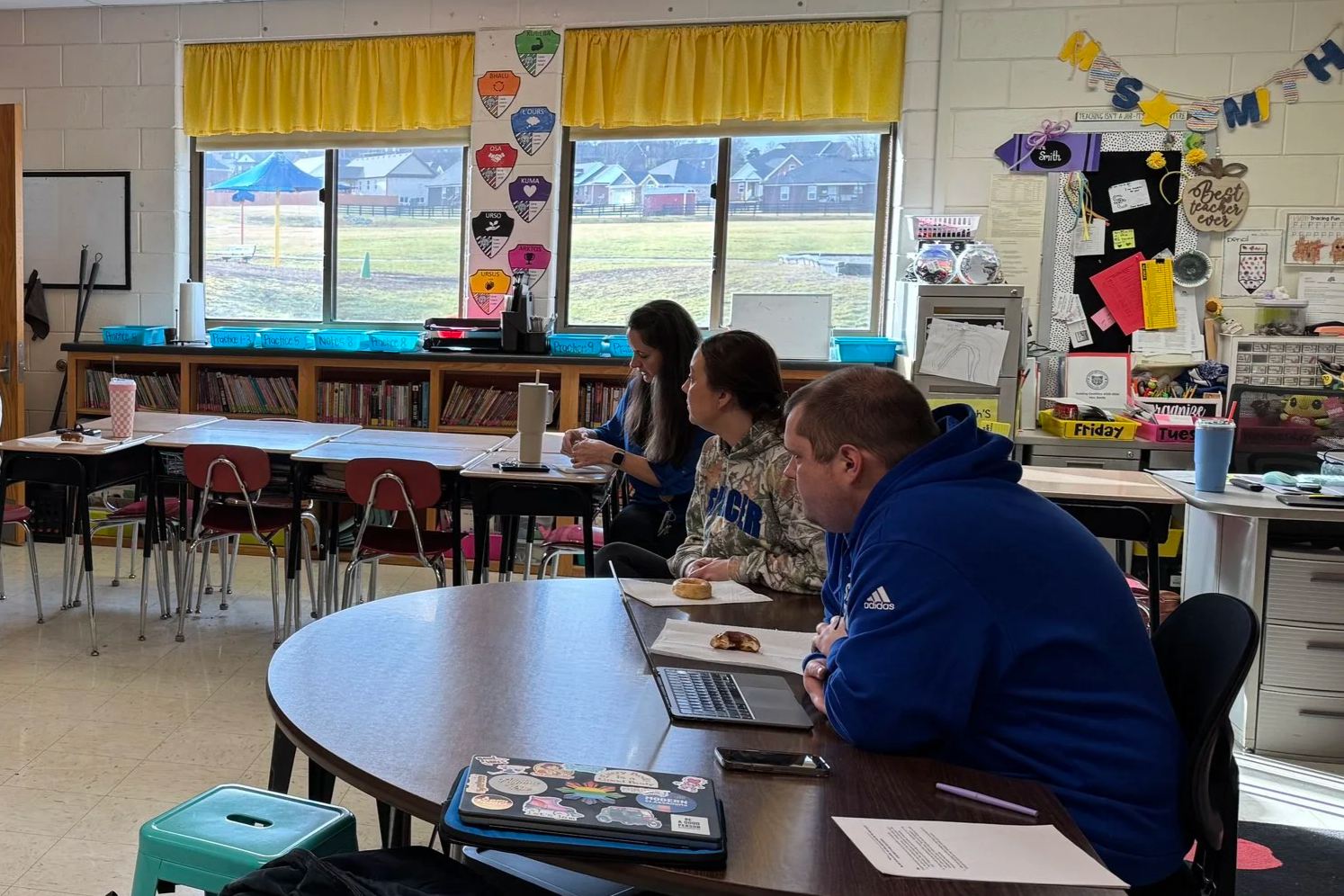
Spencer County Schools is a district-wide example of how to make big changes work—from the classroom to the central office. Their partnership with Modern Classrooms Project is centered on transforming math instruction to prioritize student growth and mastery.
This is an important lesson for all schools: innovation doesn’t just happen in individual classrooms. It needs to be systemic. The intentional integration of different stakeholders—from teachers to instructional coaches to district-level leadership—creates a model where no one feels left behind. Instead, there’s a collective effort to support both students and teachers in navigating new ways of teaching and learning.
Key Takeaways for Math Teachers Everywhere
What can we learn from Spencer County Schools’ success to improve our own classrooms?
Lean on Your Teams: Collaborate with grade-level colleagues to problem-solve and strategize lesson alignment. Shifting as a group creates shared accountability and reduces the isolation of trying something new alone.
Engage Instructional Coaches: Invite your school or district’s instructional coaches into model lessons and planning sessions. A fresh perspective and additional support makes the weight of trying something new just a little lighter.
Leadership Matters: Strong leadership isn’t about mandating instructional change, it’s about active participation, listening, and fostering trust. Advocate for leadership to join professional learning sessions and work alongside your teams.
Be Patient With Change: Shifting teaching practices takes time, but with the right structures in place, it can feel manageable. Recognize that what feels uncomfortable at first can eventually become second nature with the right support.
It’s clear Spencer County Schools is committed to helping every teacher and student thrive. By supporting educators in building classrooms that foster collaboration and hands-on support, they’ve created a powerful community dedicated to supporting every learner. For teachers considering the leap into mastery-based learning, Spencer County Schools is proof that with the right frameworks and support, anything is possible.

Toni Rose Deanon
Toni Rose taught MS English for 10 years and will forever identify as a teacher. Toni Rose strives to be the teacher that they never had growing up and wants to create a brave space for everyone around them. They understand just how important it is to be represented, be valued, and belong. They especially love being a thought partner for and celebrating teachers.