Three Takeaways from DeKalb County
Community Engagement Manager Toni Rose Deanon shares their experience visiting classrooms in DeKalb.
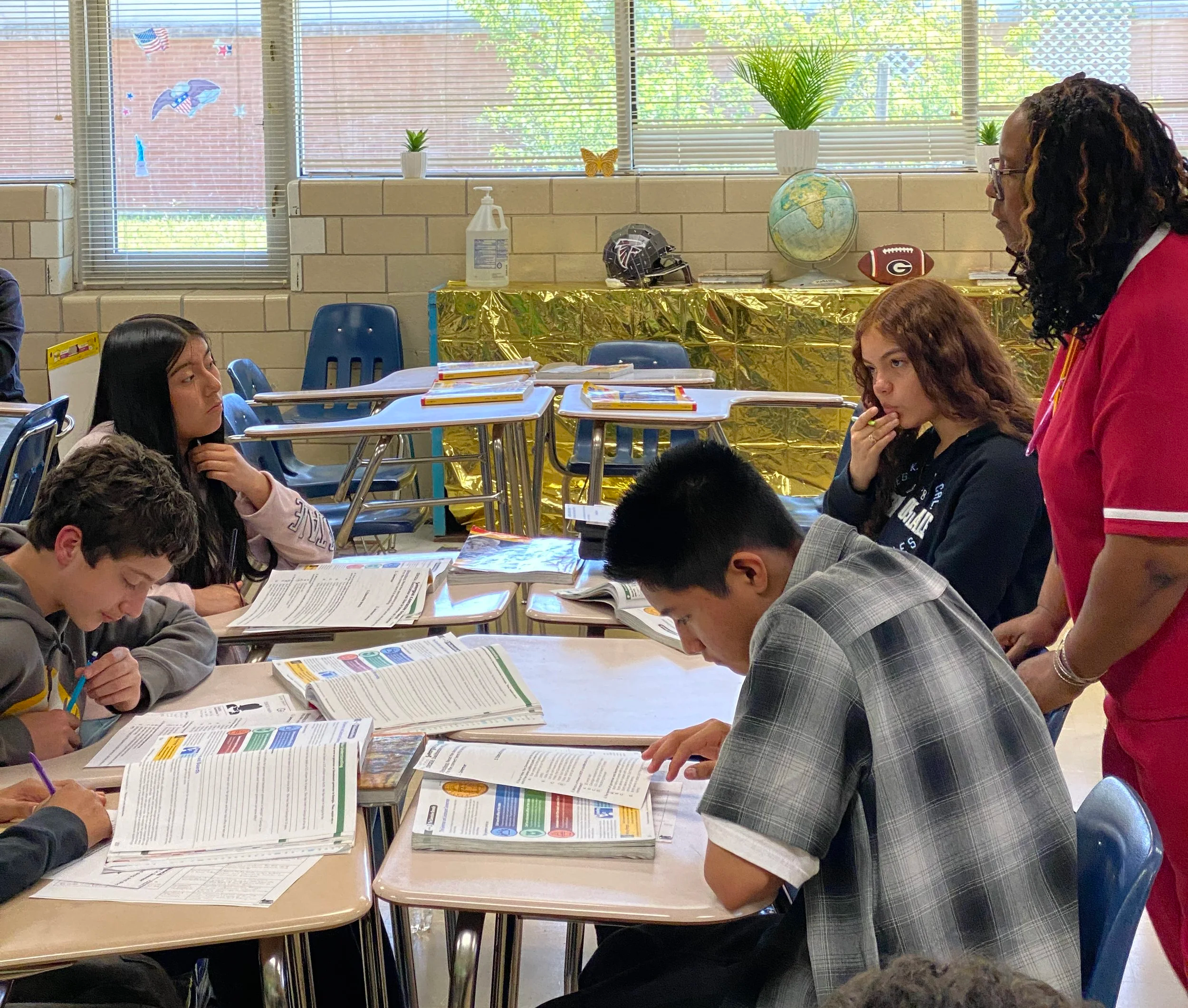
It felt like a homecoming being back in DeKalb County, where I started my teaching career, and I’m even more obsessed now than I was 16 years ago. This time, however, my perspective was different. Instead of planning for my own middle school classroom, I had the privilege of meeting with school and district leaders who are transforming the landscape of teaching and learning. I visited classrooms to experience student joy firsthand and provided real-time feedback to teachers implementing our model.
Here are three takeaways from my school visits this spring:
1. Teachers are the ultimate innovators.
My favorite classroom strategy is when educators use what they have and their creativity instead of reinventing the wheel.
When first implementing a self-paced classroom, it’s natural to feel overwhelmed—the model looks and feels so different from traditional instruction.
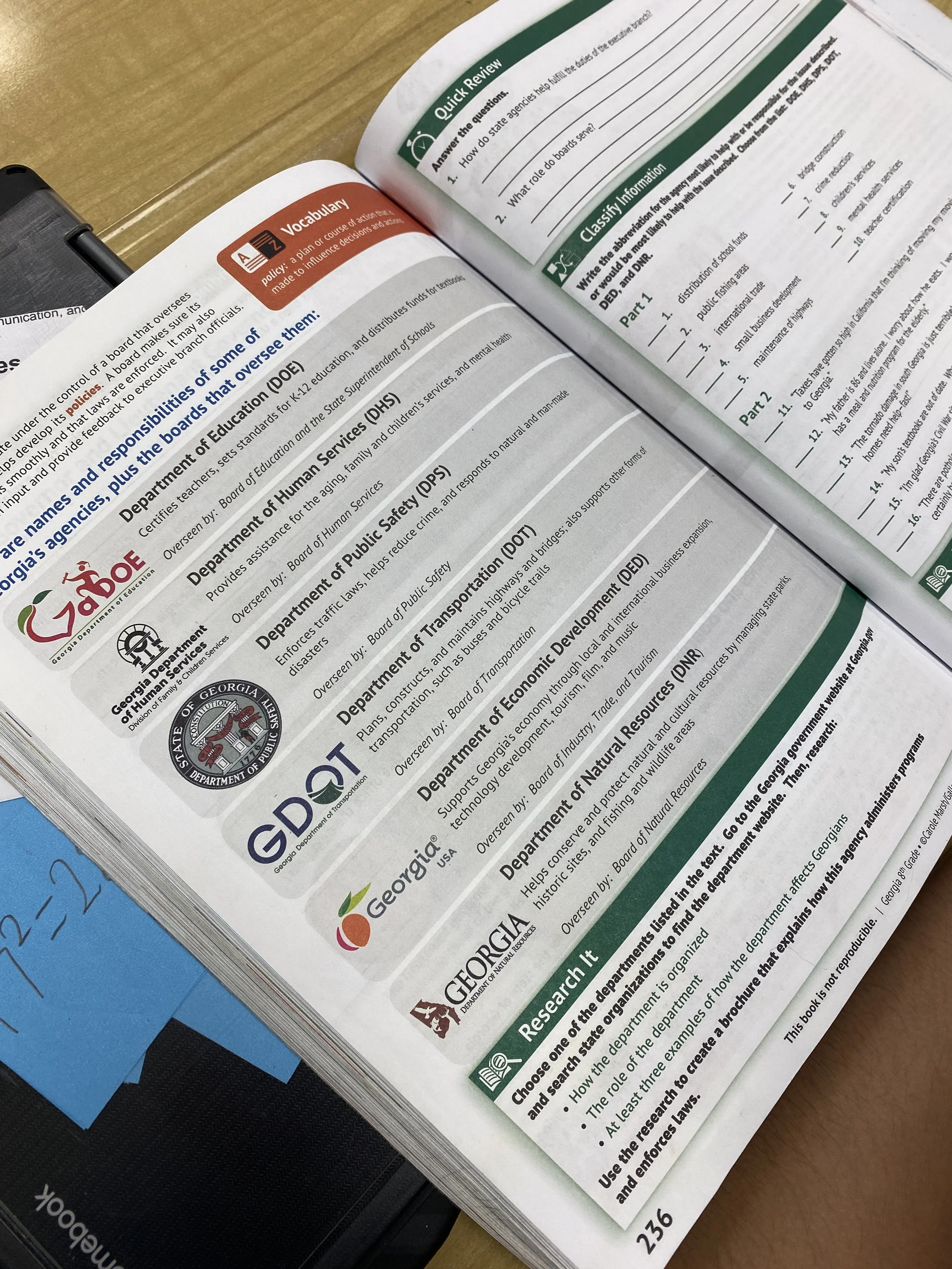
In DeKalb, I saw a major win: teachers using their existing curriculum to build blended, self-paced, and mastery-based experiences. They didn't recreate every lesson; they simply changed the delivery. If a platform provided a tracker, they used it. If a curriculum provided videos, they implemented them with intentional engagement.
2. Teachers want feedback to improve their teaching and learning experience.
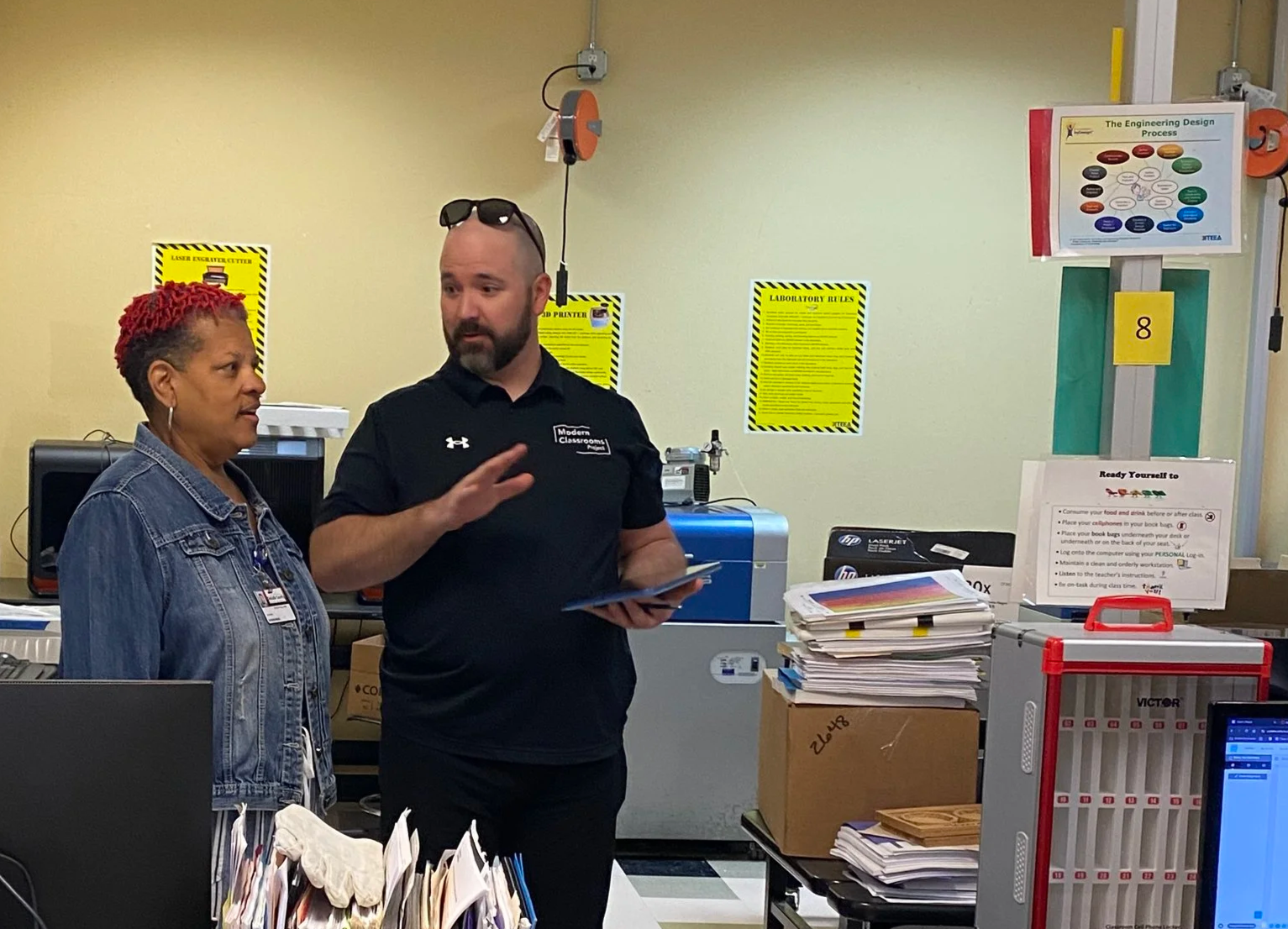
I was the type of teacher who craved feedback. I wanted to see my gaps and learn how to better serve my students. Without a fresh pair of eyes in the room, it was easy to feel stuck. I think that’s true for a lot of teachers.
At MCP, we aren't just there to observe; we are partners. We provide feedback and—crucially—we get to return to see that feedback in action. In these classrooms, the impact was clear: more collaborative discussions and a transparent pathway for students. I am a firm believer that small, intentional moves make the biggest difference in the learning experience.
3. Leaders are moving with more intention before introducing the Model Classrooms model to their teachers.
I knew the importance of effective leadership because I’ve been fortunate enough to experience it when I was in the classroom. Effective leadership means respecting the teacher’s craft while providing the strategies and support necessary for growth. In DeKalb, I met a principal who is requiring his entire administrative team to complete our Virtual Mentorship Program before rolling it out to their staff.
I tell teachers this all the time: do the work you want your students to do so you can anticipate the misconceptions and challenges. Seeing leaders make the time to "do the thing" they are asking of their teachers earned my deepest respect. Intentional leadership like this is what creates sustainable change.
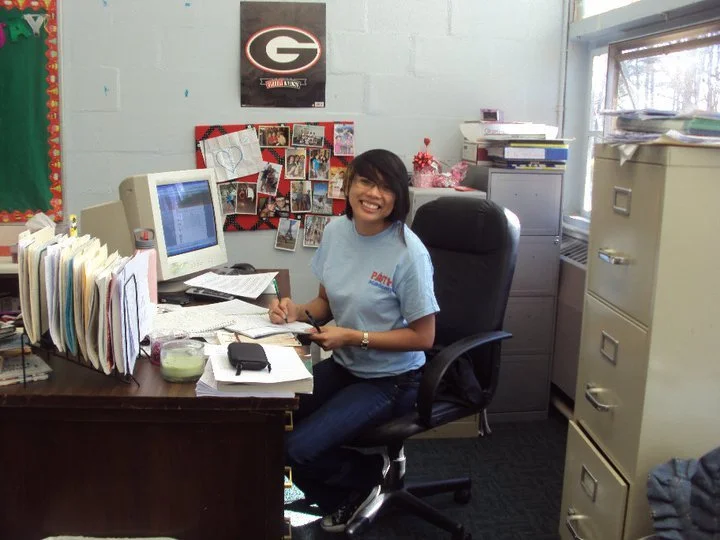
It’s been 13 years since I last stepped foot in a DeKalb County school, but I left feeling inspired that the most important things remain the same. Whether it’s 2011 or 2026, teachers are still innovators, they still value growth through feedback, and leaders are still finding intentional ways to support them.

Toni Rose Deanon
Toni Rose taught MS English for 10 years and will forever identify as a teacher. Toni Rose strives to be the teacher that they never had growing up and wants to create a brave space for everyone around them. They understand just how important it is to be represented, be valued, and belong. They especially love being a thought partner for and celebrating teachers.